
From compassion and reliability to patience and personal connection, discover what makes an exceptional caregiver and what we look for at Tailored Care, LLC.
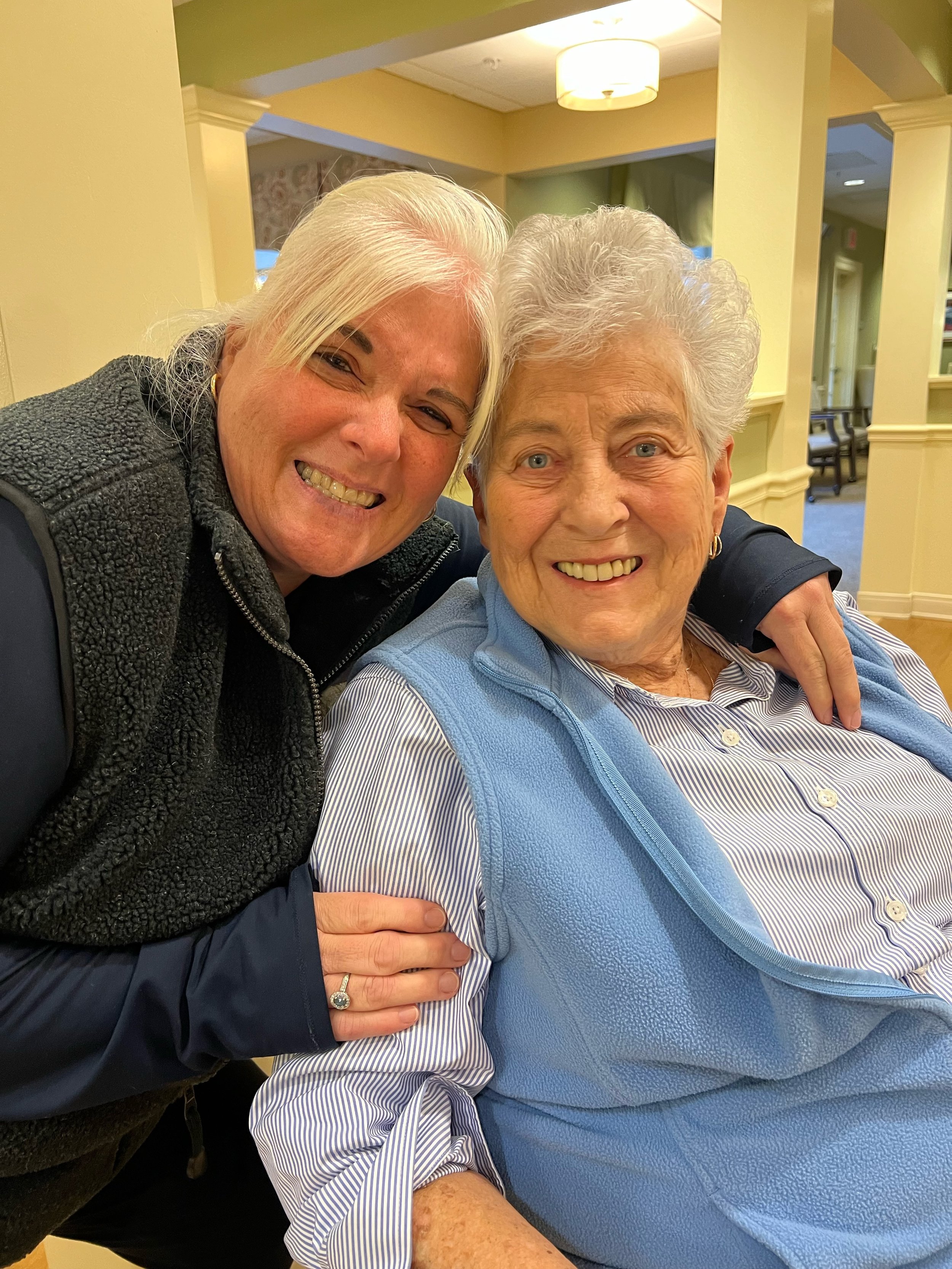
Caregiving Is More Than a Job
Some people have a natural gift for making others feel comfortable, understood, and cared for.
They remember the little things. They notice when something isn't quite right. They know when to offer a helping hand, when to listen, and when someone simply needs a little companionship.
These qualities are at the heart of great caregiving.
For some, the profession is a lifelong calling. Others discover their passion after caring for an aging parent, supporting a grandparent, or helping someone through a difficult time.
Whatever brings a person into caregiving, one thing remains true: providing exceptional care requires much more than completing a list of daily tasks.
It takes compassion, patience, reliability, good judgment, and a genuine commitment to the well-being of others.
And while professional training and experience are valuable, some of the most important qualities of a great caregiver cannot be taught in a classroom.
So what does it really take to succeed in this rewarding, sometimes challenging profession?
Compassion: The Foundation of Exceptional Care
Compassion is more than being friendly or kind. It means recognizing that every person receiving care has a unique history, personality, set of preferences, and sense of independence.
A compassionate caregiver understands that accepting help isn't always easy.
Someone who once managed an entire household may now need assistance getting dressed. A person who spent decades caring for others may find it uncomfortable to rely on someone else.
Great caregivers recognize these emotional challenges and respond with sensitivity.
They don't simply ask, "What needs to be done?"
They also consider, "How can I help this person feel comfortable, respected, and in control?"
Sometimes compassion means offering reassurance during a difficult morning. Other times, it's remembering how someone likes their coffee, listening to a familiar story, or making an ordinary afternoon a little brighter.
These moments may seem small, but they often make the greatest difference.
Reliability: The Importance of Showing Up
Compassion means little without dependability.
When a caregiver commits to a scheduled visit, someone is counting on them. That person may need help preparing a meal, getting ready for the day, attending an appointment, or completing essential personal care.
Families may also be arranging their own responsibilities around that scheduled support.
Being reliable means arriving on time, honoring commitments, communicating promptly, and taking responsibilities seriously.
It also means being prepared, respecting established care arrangements, and recognizing that unexpected absences or last-minute changes can have real consequences.
Consistency is especially valuable for older adults who find comfort in familiar routines and recognizable faces.
For a great caregiver, reliability isn't just about punctuality. It's about earning and maintaining someone's trust.
Patience and Understanding: Meeting People Where They Are
Caregiving doesn't always follow a predictable schedule.
A client may need extra time getting dressed. Someone living with dementia may ask the same question repeatedly. An individual who is usually cheerful may be having a particularly difficult day.
Exceptional caregivers understand that frustration, confusion, and changing abilities are sometimes part of the caregiving experience.
Rather than rushing or becoming impatient, they adjust their approach.
They speak calmly, offer reassurance, and allow people the time they need whenever possible.
This is particularly important when supporting individuals living with Alzheimer's disease or other forms of dementia.
Patience isn't simply waiting without complaining. It's recognizing that the person receiving care deserves understanding, even when circumstances become challenging.
Communication: Listening Is Just as Important as Speaking
Strong communication is essential in home care.
A great caregiver listens carefully to clients, respects their preferences, and communicates clearly with families and the appropriate members of the care team.
They recognize when an observation deserves attention, whether it's a noticeable change in mood, appetite, mobility, or daily behavior.
They also understand the importance of accurately reporting concerns rather than making assumptions or attempting to handle situations beyond their responsibilities.
Professional communication includes respecting privacy, maintaining appropriate boundaries, and knowing when to ask for guidance.
But communication isn't always about reporting information.
For someone who spends much of the day alone, an enjoyable conversation can be one of the most meaningful parts of a caregiver's visit.
Respecting Dignity and Encouraging Independence
One of the most important principles of caregiving is understanding that helping someone doesn't mean taking away their independence.
An exceptional caregiver looks for opportunities to support a person's existing abilities.
Instead of automatically taking over a task, they consider whether the individual can safely participate.
Perhaps someone can still choose their clothing, help prepare part of a meal, or complete certain steps of their morning routine with a little encouragement.
Allowing that participation can help preserve confidence and a sense of control.
Respect also extends to personal privacy, household routines, cultural preferences, and the way assistance is offered.
The best caregivers understand that they are entering someone else's personal space and daily life.
Their role is to provide support, not take control.
Adaptability, Initiative, and Good Judgment
No two clients are exactly alike, and even familiar routines can change unexpectedly.
One person may primarily need companionship, transportation, and help around the house. Another may require extensive assistance with bathing, dressing, mobility, and other activities of daily living.
Caregivers may also support individuals living with dementia or provide companionship and personal assistance during hospice and end-of-life care.
These situations require flexibility, attentiveness, and sound judgment.
Great caregivers can recognize what needs to be done without waiting for instructions about every small task.
They notice when the kitchen needs tidying, when a client might appreciate an activity, or when a change in routine deserves attention.
At the same time, they understand the limits of their responsibilities and training.
Taking initiative does not mean making medical decisions, disregarding established care requirements, or attempting tasks outside an appropriate scope of care.
Knowing when to seek guidance is itself a sign of professionalism.
Professionalism and Accountability
Caregiving takes place in some of the most personal environments imaginable: people's homes and private living spaces.
That responsibility requires honesty, discretion, integrity, and accountability.
Professional caregivers respect household belongings, protect confidential information, maintain appropriate boundaries, and treat clients and family members with courtesy.
They also understand that feedback is part of providing quality care.
Nobody handles every situation perfectly. What matters is the willingness to communicate, accept responsibility, learn, and make improvements.
A dependable caregiver doesn't need constant supervision to do the right thing.
They take pride in their work because they understand how much it matters.
The Little Things That Make a Big Difference
Ask someone what they remember most about an exceptional caregiver, and the answer may have little to do with a particular task.
They might remember the caregiver who always made them laugh.
The person who remembered their favorite music.
Someone who took an interest in their family photographs, encouraged them to enjoy a favorite hobby, or made an effort to celebrate a birthday.
These small gestures create connection.
A great caregiver doesn't need to be especially outgoing or talkative. Some of the most effective caregivers are quiet, thoughtful listeners.
What matters is genuine interest in the individual receiving care.
The goal isn't to entertain someone every minute of the day. It's to help them feel seen, respected, and valued.
Experience Matters, but Character Matters Too
Professional training and caregiving experience are valuable.
Certified Nursing Assistants (CNAs), Personal Support Specialists (PSSs), Registered Nurses (RNs), and experienced home care professionals can bring a wealth of knowledge, practical skills, and valuable perspectives to caregiving.
At Tailored Care, LLC, our team includes individuals with diverse professional backgrounds, including a Registered Nurse who brings her experience and expertise to a caregiving role. While our caregivers possess a variety of qualifications, Tailored Care remains dedicated exclusively to providing compassionate, non-medical home care.
However, experience and professional credentials alone do not guarantee that someone will be an exceptional caregiver.
Compassion, integrity, dependability, emotional maturity, and a genuine desire to help others are equally important.
Some outstanding caregivers have spent decades in the profession. Others are developing their skills while demonstrating a remarkable natural ability to connect with people.
The strongest caregiving teams recognize the importance of both professional competence and personal character.
Our Commitment to Caregiver Screening
Of course, trust must be supported by more than good intentions.
At Tailored Care, we take caregiver screening seriously. Every caregiver undergoes three essential screening checks: a background check through the Maine Background Check Center (MBCC), an Adult Protective Services (APS) history check, and a Child Protective Services (CPS) history check.
These screening measures help us identify potential safety concerns and make informed decisions about the individuals entrusted with caring for our clients.
While no screening process can guarantee a person's character or future conduct, we believe thorough screening, careful caregiver selection, and ongoing accountability are essential parts of providing responsible, compassionate home care.
For us, exceptional caregiving begins with both the right qualities and a commitment to earning the trust of the families we serve.
What We Look for at Tailored Care, LLC
At Tailored Care, LLC, serving seniors and families throughout Midcoast Maine, we believe the quality of our services begins with the people providing them.
Our caregivers assist with companionship, meal preparation, housekeeping, transportation, personal hygiene, activities of daily living, Alzheimer's and dementia support, and compassionate assistance during hospice and end-of-life care.
Because our clients have different needs, personalities, and circumstances, we look beyond qualifications alone when considering prospective caregivers.
We value individuals who demonstrate:
Genuine compassion: A sincere interest in helping others and making their daily lives better.
Dependability: A strong sense of responsibility, punctuality, and commitment to scheduled care.
Patience and emotional maturity: The ability to remain calm, respectful, and understanding during challenging situations.
Professionalism and integrity: Respect for privacy, boundaries, care arrangements, and the trust placed in them.
Strong communication: A willingness to listen, share important observations, ask questions, and work cooperatively.
Initiative and good judgment: The ability to recognize needs, adapt appropriately, and seek guidance when necessary.
A willingness to learn: Openness to feedback, continued improvement, and new caregiving experiences.
A personal touch: An appreciation for the small details that help clients feel comfortable, valued, and understood.
We also recognize that great caregivers come from different backgrounds and stages of life.
Some have devoted their careers to caring for others. Some balance caregiving with education, family responsibilities, or other professional commitments.
What matters most is their ability to provide safe, compassionate, dependable support and their commitment to the individuals entrusted to their care.
A Personal Approach to Caregiving
At Tailored Care, we believe great care begins with the right relationships.
We take a thoughtful approach to matching caregivers with clients, considering not only an individual's care needs but also personalities, preferences, experience, and the qualities that can help create a comfortable, trusting relationship.
After all, caregiving is personal.
Inviting someone into your home and daily routine requires trust, and we believe that trust develops most naturally when people genuinely connect.
We also make a conscious effort to maintain a close-knit caregiving team.
Rather than becoming a large, impersonal organization where caregivers and clients are simply names on a schedule, we want to preserve the personal relationships that make Tailored Care special.
That means getting to know our caregivers as individuals, understanding their strengths, listening to their concerns, and recognizing the important role each person plays in our clients' lives.
We consider caregiver availability, experience, preferences, and comfort level when coordinating care arrangements, while keeping each client's needs and well-being at the center of our decisions.
Continuity of Care: Familiar Faces, Stronger Relationships
At Tailored Care, we believe clients deserve more than a revolving door of unfamiliar caregivers.
Whenever possible, we strive to establish a consistent caregiving arrangement, ideally with one primary caregiver or a small, dedicated team of familiar faces. Rather than regularly introducing new people into someone's home, our goal is to create stability, familiarity, and lasting relationships.
This consistency is important for several reasons:
Trust and comfort: Clients become familiar with their caregivers, making daily interactions more relaxed and personal.
Better understanding of individual needs: Regular caregivers learn a client's routines, preferences, personality, and communication style.
Greater awareness of changes: Someone who knows a client well may be more likely to notice subtle changes in behavior, mood, appetite, or mobility.
Less stress for families: Loved ones aren't constantly introducing new caregivers, explaining routines, or repeating important information.
Meaningful relationships: Over time, caregivers and clients can develop genuine connections that go well beyond completing daily tasks.
Continuity is especially valuable for individuals living with Alzheimer's disease or other forms of dementia, where familiar faces and predictable routines can provide reassurance and reduce unnecessary confusion.
We recognize that scheduling needs, availability, and changing circumstances sometimes require adjustments. However, our goal is always to minimize unnecessary caregiver changes while maintaining dependable coverage.
This approach benefits caregivers, too. Working consistently with the same client allows caregivers to develop a deeper understanding of the person they're supporting, build confidence in their routines, and take genuine pride in the relationships they establish.
At Tailored Care, we don't want our clients to feel as though a different stranger is arriving at their door every day. We want them to look forward to seeing someone they know and trust.
For clients, our approach helps foster familiarity, consistency, and meaningful relationships.
For caregivers, it creates an environment where they can feel known, appreciated, and connected to the people they serve.
As we grow, we're committed to preserving the close-knit, personal atmosphere that allows us to truly know our caregivers and the clients they serve.
It's a philosophy reflected in our name: Tailored Care.
Working Independently, but Never Without Support
One aspect of home care that surprises some newcomers is how independently caregivers often work.
Unlike a busy facility where coworkers may be just down the hallway, an in-home caregiver may spend much of a shift working one-on-one with a client.
This independence can be rewarding. It allows caregivers to develop meaningful relationships, become familiar with individual routines, and provide attentive, personalized assistance.
But it also requires responsibility and confidence.
Caregivers must be able to manage their responsibilities independently, respect each client's established care needs and preferences, communicate concerns, and recognize when additional guidance is appropriate.
At Tailored Care, we believe independence and support should go hand in hand.
We want caregivers to feel comfortable asking questions, communicating concerns, and knowing they are part of a team that values their observations and contributions.
Providing excellent care is a shared responsibility, even when the work itself takes place one-on-one.
Supporting the People Who Provide the Care
Caregiving can be physically demanding, emotionally challenging, and deeply rewarding, sometimes all in the same day.
We believe those who dedicate themselves to this work deserve respect, appreciation, and clear communication.
At Tailored Care, we recognize that caregivers have lives and responsibilities beyond their scheduled visits.
We make an effort to consider individual availability, preferred hours, travel distance, experience, and personal strengths when coordinating assignments.
We also believe that caregivers should feel comfortable raising concerns, offering feedback, and participating in conversations about the care they provide.
A positive caregiving environment doesn't happen by accident.
It develops when people are treated with respect, expectations are communicated clearly, and everyone understands the importance of working together.
We believe that supporting our caregivers is an important part of providing consistent, compassionate care to our clients.
Is Caregiving the Right Fit for You?
Caregiving can be an incredibly fulfilling profession, but it isn't the right fit for everyone.
It requires patience when plans change, dependability when others are counting on you, and the emotional resilience to support people through difficult circumstances.
Some days involve laughter, conversation, and enjoyable activities. Others may involve personal care, physical assistance, confusion, grief, or the challenges associated with declining health.
The work calls for both kindness and responsibility.
But for individuals who genuinely enjoy helping others, caregiving offers something that many professions cannot: the opportunity to make a direct, personal difference in someone's life.
You may be well-suited to caregiving if you find satisfaction in helping others feel comfortable, enjoy building meaningful relationships, take your commitments seriously, and believe that everyone deserves to be treated with dignity.
You don't have to be the loudest person in the room or have a particular personality type.
You do need to care about the people you're helping and be willing to show that through your actions.
Interested in Becoming Part of Tailored Care?
At Tailored Care, LLC, we're always interested in connecting with compassionate, reliable individuals who share our commitment to quality care.
Whether you're an experienced CNA or PSS, a longtime professional caregiver, or someone with a background in supporting others, we'd welcome the opportunity to learn more about your experience, qualifications, and interest in caregiving.
We value individuals who take pride in their work, appreciate meaningful personal connections, and understand that exceptional care is built on trust, consistency, and respect.
If that sounds like you, apply to become a Tailored Care caregiver
Because at Tailored Care, we're not simply looking for people to fill a schedule.
We're looking for people who care about the people behind it
Tailored Care, LLC
Quality Care Is Our Commitment.